
The Evolution of Kitchen Spaces: Designing for Modern Cooking Needs
The kitchen has always been a central hub of every home, but its role has evolved dramatically over the years. From simple cooking spaces to multifunctional areas that serve as a place to cook, dine, and entertain, the kitchen has undergone a significant transformation. As modern lifestyles and cooking needs continue to change, the design of kitchen spaces has evolved to keep up with the times. In this article, we will explore the evolution of kitchen spaces and how they are being designed to meet the demands of modern cooking needs.
The Beginning: From Kitchen to Cooking Space
The concept of a kitchen can be traced back to the ancient civilizations, where basic cooking tools and food storage were incorporated into a designated area within the home. However, it was not until the early 20th century that the kitchen space started to take shape as we know it today. With the rise of industrialization and mass production, the kitchen became more than just a place to cook. It also became a symbol of wealth and modernity, with the introduction of labor-saving appliances such as the refrigerator and gas stove.
During this time, kitchens were designed for efficiency and practicality, with little consideration for style or comfort. The focus was on creating a space that could cater to the demands of a growing family, and it was not uncommon for entire families to gather in the kitchen for meals and socializing.
The Rise of Open-Plan Living
As modern lifestyles continued to evolve, so did the design of kitchen spaces. In the 1960s and 1970s, open-plan living became increasingly popular, and the kitchen was no longer seen as a separate room but an extension of the living area. This trend continued to gain momentum in the following decades, with the kitchen becoming the heart of the home, where families could gather and spend time together.
This shift towards open-plan living also influenced the design of kitchen spaces. Instead of being closed off from the rest of the house, kitchens were now designed to be more open and connected to the living and dining areas. This change in layout allowed for better flow and accessibility, making it easier for families to interact and socialize while cooking and dining.
Multifunctional Spaces for Modern Needs
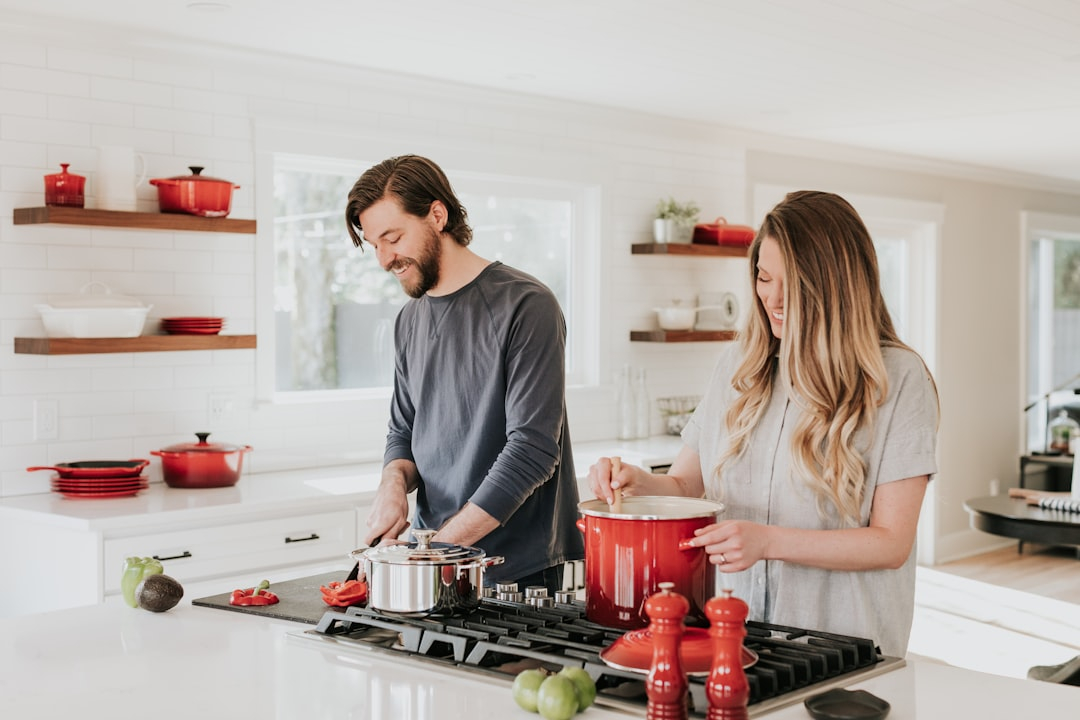
In recent years, the kitchen has once again undergone a significant evolution, driven by the changing needs and demands of modern family life. With busy schedules and a growing focus on health and wellness, the kitchen has become more than just a place to cook. It has transformed into a multifunctional space where families can come together, cook, eat, and even work.
Kitchens are now being designed to cater to a wide range of needs, from storage and organization to energy efficiency and sustainability. With a growing concern for the environment, more and more homeowners are opting for eco-friendly materials and appliances in their kitchens. This shift towards sustainability has also resulted in a move towards smaller, more compact kitchen designs, making use of every available space without compromising on functionality.
New Technologies for a Modern Kitchen
The rise of technology has also had a significant impact on the design of kitchen spaces. From smart appliances to voice-activated assistants, technology has become an integral part of the modern kitchen. The introduction of smart home systems has made it possible for homeowners to control and monitor their kitchen appliances and lighting from anywhere, making the cooking experience more convenient and efficient.
Another trend that has emerged in recent years is the incorporation of technology into kitchen appliances and tools. From smart refrigerators that can keep track of your grocery list to induction cooktops that heat up quickly and precisely, modern kitchen technologies are designed to make cooking easier and more enjoyable.
The Future of Kitchen Design
The evolution of kitchen spaces is far from over, with new trends and technologies emerging every year. As we continue to embrace a healthier and more sustainable lifestyle, kitchen designs will continue to evolve to meet our changing needs. With the rise of remote work and online learning, there is also a growing demand for multipurpose kitchen spaces that can serve as both a workspace and a place to cook and eat.
With a focus on flexibility, functionality, and sustainability, the kitchens of the future will be designed to adapt to changing lifestyles and cater to the diverse needs of modern families.
Conclusion
The design of kitchen spaces has come a long way from its humble beginnings as a simple cooking area. As our lifestyles continue to evolve, so will the kitchen, constantly adapting to meet our changing needs. From open-plan layouts to smart technologies, the future of kitchen design is exciting and full of possibilities.